

Foreclosure
Foreclosure in Georgia
Understand the first conversation to have with your lender and the options that may help you protect your home, timeline, or next decision.
Clear guidance for heirs of inherited property, homeowners facing foreclosure, and people who may be owed surplus funds after a foreclosure or tax sale.

Inform. Educate. Act. A clearer path starts with a conversation
Why REI Help Center
Get the assistance you need today from our experts. REI Help Center is designed to provide answers to questions and solutions for real estate issues.
We make it simple to find the answer you are looking for and point you toward practical solutions. Information is supplemented by one-to-one advice.
Where we help
Explore the issue that is closest to what you are facing right now.
Foreclosure
Understand the first conversation to have with your lender and the options that may help you protect your home, timeline, or next decision.

Surplus funds
If a foreclosure or tax sale brought in more than was owed, surplus funds may belong to the former homeowner.
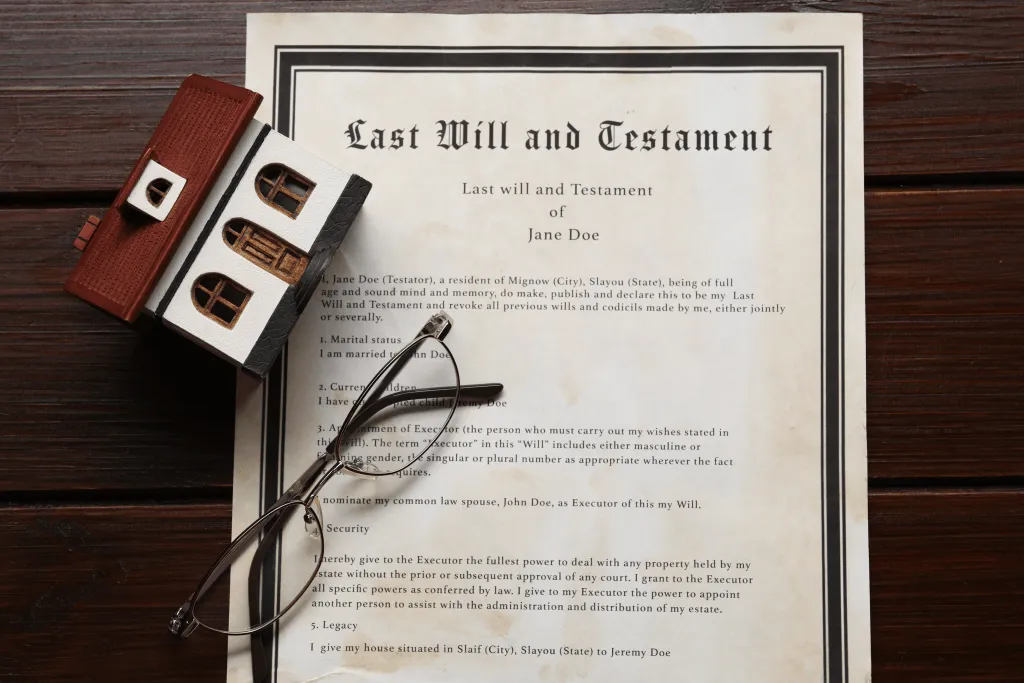
Inherited property
Understand probate as the legal backdrop, then weigh whether selling, keeping, or renting makes sense for your family.
How it works
Learn what to ask, what to gather, and which professionals may need to be involved.
Leave with practical next steps that match the facts of your situation.
The goal is simple: help people understand their real estate options well enough to make an informed decision that benefits them
Contact your lender’s loss mitigation department first. Ask what options and documentation are available, and confirm your timeline. In Georgia, a lender may begin foreclosure proceedings after roughly 60–90 days of missed payments, with a Notice of Intent to Foreclose generally sent at least 30 days before the sale.
They are money left after a foreclosure or tax sale when the property sells for more than the mortgage, taxes, or other amounts owed. The former homeowner may be entitled to the balance, but county deadlines and claim requirements matter.
It depends on how the property was owned. Joint tenancy with right of survivorship, a transfer-on-death deed, or a living trust may allow it to pass without probate; sole ownership without those arrangements will typically require a probate process.
Start with a Conversation
Share a few details and our team will follow up with practical next steps for your situation.